
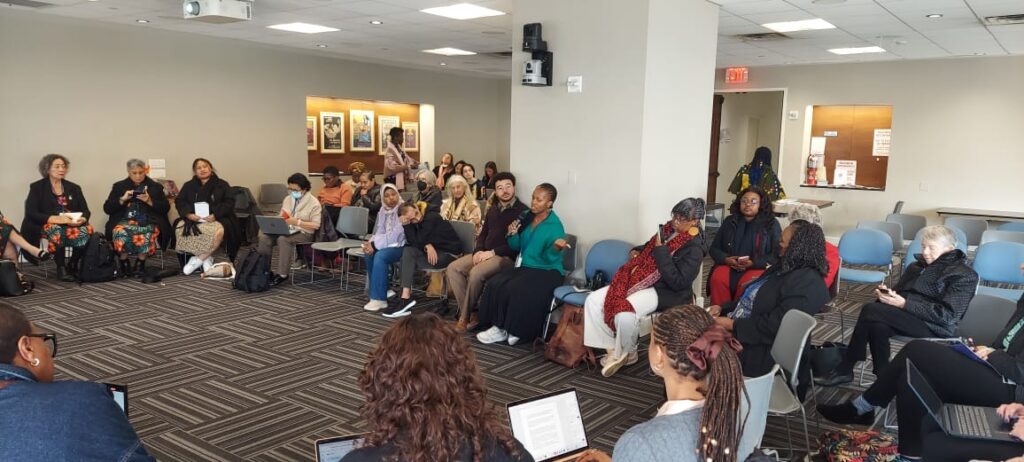
Uganda has made significant progress in combating gender-based violence in recent years, acknowledging it as a critical social issue that requires immediate attention. The National Consultative Meeting on Violence Against Women and Girls was a key moment in the country’s commitment to eliminating this problem. The meeting brought together policymakers, activists, community leaders, and survivors with the goal of encouraging collaboration and developing actionable strategies to combat and prevent violence against women and girls.
Uganda, like many other countries, has struggled with the pervasive problem of gender-based violence (GBV). Despite existing legal frameworks and policies to protect women and girls, implementation gaps, social norms, and a lack of awareness continue to be barriers to meaningful change. Domestic violence, sexual assault, human trafficking, and harmful cultural practices are all examples of GBV. The consequences are severe, affecting survivors’ physical, emotional, and mental well-being and perpetuating cycles of inequality.
The National Consultative Meeting on Violence Against Women and Girls had specific goals aimed at addressing the issue extensively. To begin, the meeting aimed to provide a forum for stakeholders to share their experiences, research findings, and best practices. Secondly, it sought to identify and propose innovative solutions to gaps in existing policies and programs. Thirdly, the meeting aimed to improve collaboration between government agencies, non-governmental organizations, and the private sector in order to increase the collective impact of interventions. Finally, it sought to empower survivors by amplifying their voices in policymaking.
The meeting’s diverse audience reflected the issue’s multifaceted nature. Government representatives, including officials from the Ministry of Gender, Labor, and Social Development, were critical in outlining existing policies and initiatives. Non-governmental organizations (NGOs) provided valuable insights from the ground up, sharing firsthand experiences from the communities they serve. Activists, both seasoned and new, provided critical advocacy perspectives, while survivors bravely shared their stories, putting a human face to the statistics.
The meeting was divided into sessions, each addressing a different aspect of violence against women and girls. Legal frameworks, community-based interventions, awareness campaigns, and the role of education in challenging gender norms were among the topics covered in panel discussions, workshops, and interactive sessions. Data-driven insights were provided by expert presentations, which highlighted the prevalence of GBV, its impact on various demographics, and emerging trends. The participative nature of the discussions fostered dynamic conversations, instilling a sense of shared responsibility in attendees.
As the discussions went on, it became clear that several obstacles to progress in addressing GBV in Uganda remain. Recurring themes included a lack of funding for anti-GBV programs, gaps in the legal system, and insufficient support structures for survivors. Cultural norms and stereotypes that perpetuate gender inequality emerged as deeply embedded barriers that necessitated complex and culturally sensitive interventions. Furthermore, the importance of comprehensive sex education and awareness campaigns to combat harmful beliefs and behaviors was emphasized.
The consultative meeting resulted in a set of recommendations and actionable strategies to address the identified issues. Calls for increased funding for anti-GBV programs, changes to existing laws to improve their effectiveness, and the development of culturally sensitive interventions that challenge harmful norms were among those made. Participants emphasized the value of education as a tool for social change and advocated for comprehensive sex education to be included in school curricula. Economic opportunities for women and girls were also highlighted as a key strategy for breaking the cycle of violence.
Innovative approaches to combating GBV were a focal point of the discussions, with technology emerging as a powerful tool. The potential use of mobile apps for reporting incidents, online platforms for awareness campaigns, and data analytics for targeted interventions were explored. The meeting recognized the importance of harnessing technological advancements to create efficient reporting mechanisms, facilitate information dissemination, and monitor the impact of interventions in real-time.
The consultative meeting emphasized the need for sustained collaboration among stakeholders to effectively tackle GBV. Government agencies, NGOs, and the private sector were urged to forge partnerships that leverage each sector’s strengths. Civil society organizations committed to continuing their advocacy efforts, holding both the government and the private sector accountable for their roles in eradicating GBV. The meeting concluded with the establishment of a working group tasked with ensuring the implementation of the proposed recommendations.
The National Consultative Meeting on Violence Against Women and Girls in Uganda was an important milestone in the country’s efforts to eradicate gender-based violence. The meeting set the stage for a collaborative and comprehensive approach to addressing this deeply rooted societal problem by bringing together diverse stakeholders, fostering meaningful discussions, and developing actionable strategies. As the recommendations are implemented into policies and programs, the impact of this meeting will be felt far beyond the conference hall, shaping a future in which women and girls can live without fear of violence.