
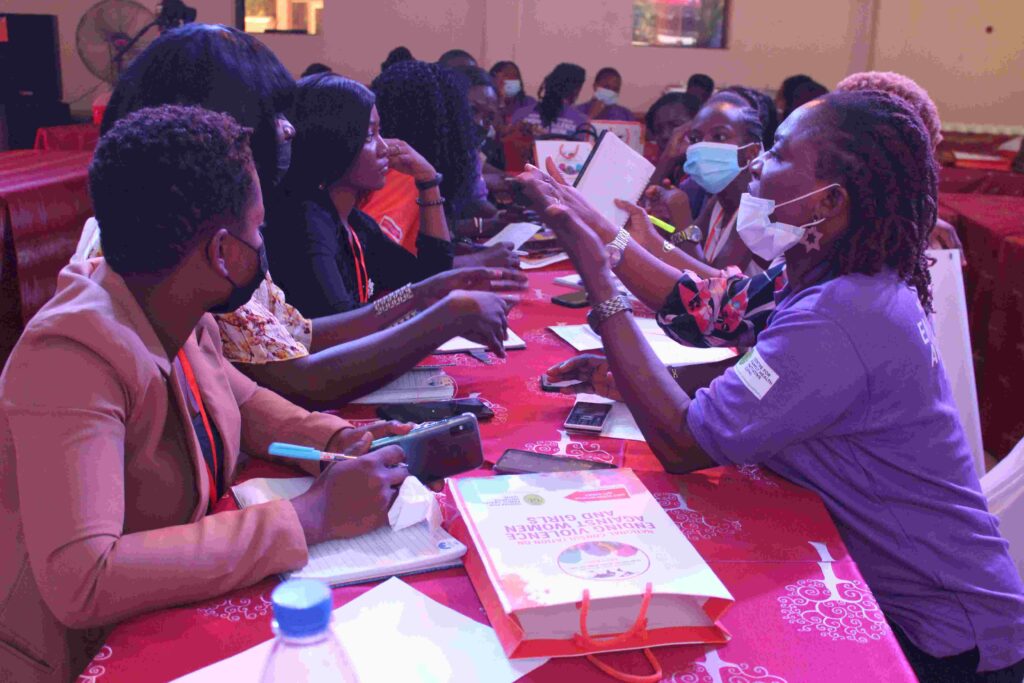
Namibia, a country in southwestern Africa, has been dealing with the pervasive problem of violence against women and girls. To address this pressing issue, the country recently held a National Consultative Meeting on Violence Against Women and Girls. This critical event brought together stakeholders from various sectors, including government officials, non-governmental organizations, activists, and community leaders, for a collaborative dialogue aimed at developing comprehensive strategies to combat and prevent gender-based violence.
Violence against women and girls is a worldwide problem, and Namibia is no exception. Despite its constitutional commitment to gender equality and a plethora of legal frameworks, the country has struggled to reduce the alarming rates of violence against women and girls. Domestic violence, sexual assault, human trafficking, and harmful traditional practices continue, requiring a concerted effort to address the underlying causes and implement effective solutions.
The National Consultative Meeting on Violence Against Women and Girls served as a platform for open discussions, information exchange, and collaborative planning. The gathering aimed to foster a deeper understanding of the complex dynamics surrounding gender-based violence, identify gaps in existing initiatives, and develop a unified approach towards eradicating these forms of abuse.
Participants examined existing legal frameworks and their enforcement mechanisms. While Namibia has commendable legislation in place, implementation and enforcement frequently fall short. Discussions focused on the importance of increased coordination among law enforcement, the judiciary, and civil society in order to hold perpetrators accountable for their actions.
A significant portion of the meeting was devoted to prevention and education. Delegates emphasized the importance of community and national awareness campaigns to challenge ingrained societal norms that perpetuate gender-based violence. Comprehensive sex education in schools and community-based programs have been identified as critical tools for influencing cultural attitudes and promoting gender equality.
Recognizing the immediate needs of survivors, discussions centered on the availability and accessibility of support services. The meeting addressed the importance of establishing safe spaces, crisis hotlines, and counseling services for survivors of gender-based violence. Additionally, there was a call for the development of rehabilitation programs to assist survivors in rebuilding their lives after experiencing trauma.
Delegates emphasized the importance of community involvement in combating gender-based violence. A key focus was on empowering local leaders, community organizations, and influencers to actively participate in the fight against violence. It was also investigated how to engage men and boys in breaking the cycle of violence and promoting positive masculinity.
The National Consultative Meeting on Violence Against Women and Girls was a crucial moment in the country’s efforts to combat gender-based violence. The meeting laid the foundations for a comprehensive and coordinated approach to addressing the root causes of violence against women and girls by encouraging collaboration among diverse stakeholders. The meeting’s outcomes and action plans provide a road map for tangible change, reflecting Namibia’s commitment to creating a safer and more equitable society for all. While the fight to end gender-based violence continues, this meeting serves as a beacon of hope and a catalyst for continued efforts to provide Namibian women and girls with a violence-free future.