
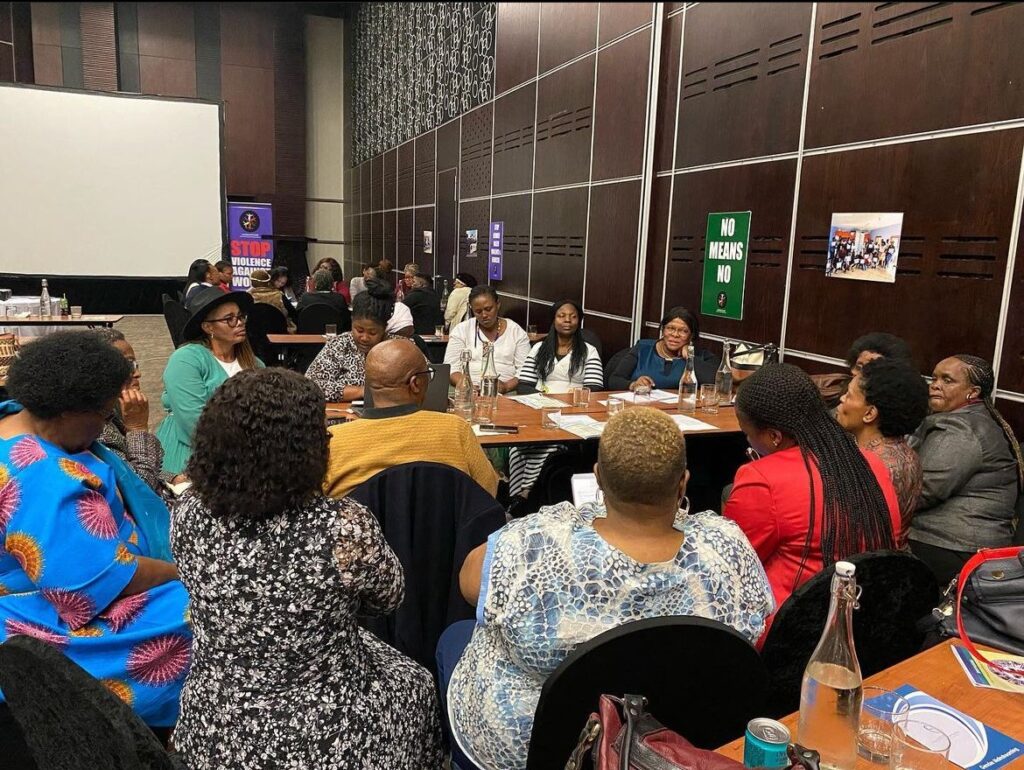
The scourge of violence against women and girls is a global issue that transcends geographical boundaries. This issue has received significant attention in Eswatini, a small landlocked country in Southern Africa, prompting a National Consultative Meeting to address pressing challenges and develop comprehensive strategies for ending violence against women and girls.
Eswatini, formerly Swaziland, has a rich cultural heritage but, like many societies, is plagued by gender-based violence. The National Consultative Meeting on Violence Against Women and Girls is an important step toward recognizing the severity of the problem and encouraging collaboration among stakeholders to develop effective solutions. This meeting will serve as a forum for open dialogue, sharing insights, and catalyzing actions to make the nation’s environment safer for women and girls.
The primary objective of the National Consultative Meeting is to comprehensively assess the current state of violence against women and girls in Eswatini. By bringing together key stakeholders, including government officials, civil society organizations, activists, and community leaders, the meeting aims to create a holistic understanding of the multifaceted challenges faced by women and girls in the country.
The meeting’s attendees were diverse, reflecting the initiative’s collaborative nature. Government officials provided insights into legal and policy issues, while civil society organizations and activists provided grassroots perspectives. Community leaders and representatives from various sectors ensured that the issue is addressed holistically.
Eswatini faces challenges such as deeply rooted cultural norms, limited resources, and legal gaps. The meeting, on the other hand, provided an opportunity to use collective wisdom and experiences to develop innovative solutions. Participants can develop an effective strategy that addresses the issues by acknowledging both challenges and opportunities.
The National Consultative Meeting on Violence Against Women and Girls in Eswatini marks a key moment in the global effort to address this disturbing issue. The meeting has the potential to bring about tangible change in the lives of women and girls in Eswatini by fostering collaboration, sharing knowledge, and developing comprehensive strategies. It is a call to action, urging all stakeholders to commit to the cause and work toward a society in which violence against women and girls is not only condemned, but also eradicated.