
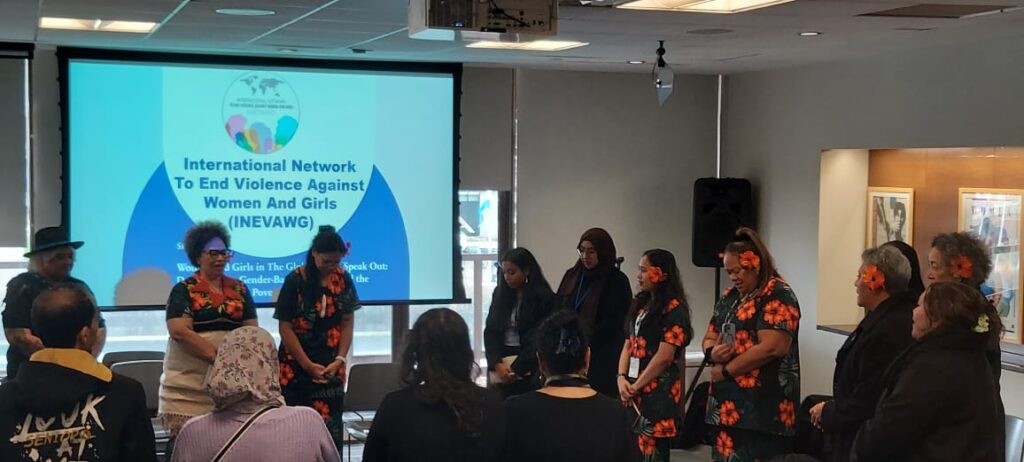
Botswana is known for its stable political environment and commitment to human rights. The country has recognized the critical importance of addressing violence against women and girls within its territory. The National Consultative Meeting on Violence Against Women and Girls was convened in a pivotal step toward combating this prevalent issue, bringing together key stakeholders, policymakers, activists, and experts. This event provided a forum for collective dialogue, analysis, and strategic planning in order to foster a comprehensive response to the multifaceted challenges confronting women and girls in Botswana.
It is critical to understand the historical context of violence against women and girls in Botswana in order to develop effective solutions. While the country has made significant strides in women’s rights, obstacles remain. Gender stereotypes and traditional gender norms, as well as economic disparities and gaps in legal frameworks, have all contributed to the prevalence of violence. Recognizing this, the National Consultative Meeting aimed to build on previous efforts while also exploring novel approaches to addressing these pervasive issues.
Key sessions and discussions covered a range of topics, from data and research findings to legal frameworks, cultural perspectives, and youth engagement. Evidence-based discussions informed subsequent policy recommendations, and the importance of engaging the youth in addressing social issues was underscored.
The meeting resulted in significant outcomes and action plans. Immediate steps were taken to reform existing policies and legislation, with various stakeholders working together to draft and implement amendments. Initiatives to build capacity have been launched to empower law enforcement, healthcare professionals, and community leaders. To raise awareness and challenge harmful cultural norms, community outreach programs and educational campaigns were developed. Counseling centers, legal aid clinics, and healthcare facilities tailored to survivors’ specific needs were established to improve support services.
Finally, the National Consultative Meeting acted as a catalyst for change in Botswana’s response to violence against women and girls. The country’s dedication to creating a safer and more equitable society was demonstrated by its commitment to collaboration, awareness, and policy reforms. The emphasis on long-term action and regular follow-up meetings reinforced the idea that addressing gender-based violence is an ongoing process that necessitates ongoing efforts from all sectors of society.