
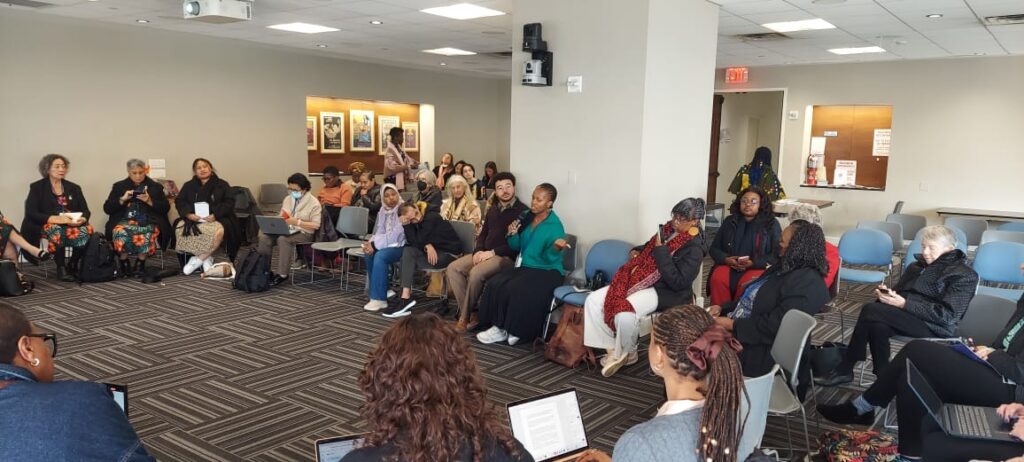
The 16 Days of Activism Against Gender-Based Violence is a powerful international campaign that began in 1991 and runs from November 25 to December 10. This initiative addresses the pervasive human rights violation of violence against women and girls (VAWG). The campaign, led by civil society and supported by the UN Secretary-General’s UNiTE by 2030 initiative, emphasizes global collaboration to eradicate VAWG.
Despite global legislative efforts, VAWG remains a serious concern. According to the World Health Organization, an alarming 736 million women, nearly one in every three, have experienced physical and/or sexual intimate partner violence. VAWG has been exacerbated by the COVID-19 pandemic, conflicts, and climate change, resulting in new threats and challenges. Violence not only has a negative impact on women’s physical and mental well-being, but it also has a negative impact on their economic empowerment, affecting families, communities, and societies.
Violence against women is not only a social problem; it also poses a serious economic threat. According to studies, violence against women reduces economic activity by 9%, with global costs estimated to be $1.5 trillion. Gender-based violence is estimated to cost the European Union €366 billion per year.
The good news is that VAWG can be avoided, and evidence-based prevention strategies are available. The International Network to End Violence Against Women and Girls (INEVAWG) advocates for VAWG prevention through a multifaceted approach. INEVAWG seeks to change societal attitudes by challenging cultural norms, promoting gender equality, and implementing educational initiatives. The network works with policymakers to enact legislation that protects women and girls. INEVAWG works tirelessly to create a future free of VAWG through global awareness campaigns and grassroots efforts. In addition, initiatives such as the RESPECT Women Framework and the global EU-UN Spotlight Initiative demonstrate the transformative impact of comprehensive investments in violence prevention. These efforts have doubled the number of convictions, strengthened laws, and improved services for survivors.
“It is time to invest, prevent, and work together to address the pervasive issue of violence against women and girls.”
Poverty, financial stress, and violence against women are inextricably linked. It is critical to address economic hardship, transform social norms, and strengthen essential services for survivors in order to truly prevent VAWG. Allocating resources for these purposes is critical, but less than 0.002% of global ODA is directed toward GBV prevention.
The theme of the UNiTE campaign for 2023 is “Invest to Prevent Violence Against Women and Girls.” Among the key advocacy goals are inviting everyone to be an ally, mobilizing member states to allocate national budgets, advocating for increased Official Development Assistance (ODA), and calling for more support for autonomous women’s rights organizations.
INEVAWG will continue to mobilize diverse stakeholders to take concrete actions. Strengthening laws and policies, evidence-driven prevention programs, comprehensive services for survivors, and increased support for women’s organizations are at the core of their collective commitments.
The UNiTE campaign follows principles like honoring women’s movements, amplifying the voices of young feminists, taking a human rights-based approach, prioritizing survivor-centered strategies, and promoting government and society efforts to prevent VAWG.
The campaign promotes activities that foster critical thinking about gender roles, regimes, and practices. The color orange, which represents a united front against VAWG, remains a recurring theme. However, in light of the energy crisis, partners are urged to find alternative ways to paint the world orange and raise awareness during the 16-day campaign.
The call to action is clear as we embark on the 16 Days of Activism Against Gender-Based Violence in 2023. It is time to invest, prevent, and work together to address the pervasive issue of violence against women and girls. We can create a world free of gender-based violence through global collaboration, evidence-based strategies, and a commitment to transformative change.