
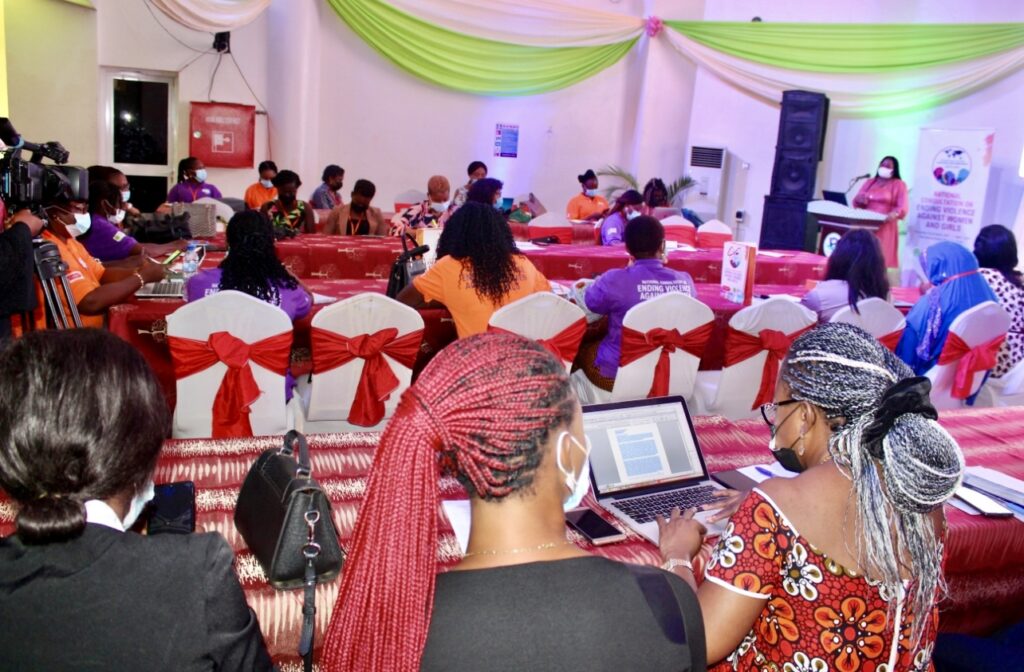
Australia, like many other countries around the world, is dealing with the prevalent issue of violence against women and girls. A National Consultative Meeting was convened to address this pressing concern, bringing together diverse stakeholders from government bodies, non-governmental organizations, advocacy groups, and academia. This pivotal meeting aimed to foster collaboration, share insights, and develop comprehensive strategies to combat and eradicate violence against women and girls throughout the country.
The primary objectives of the National Consultative Meeting were to assess the current state of violence against women and girls in Australia, identify gaps in existing policies and programs, and devise innovative strategies to address these challenges. Additionally, the meeting sought to promote dialogue among stakeholders, enhance knowledge-sharing, and foster a unified approach to combating gender-based violence.
The meeting drew a diverse group of participants, including representatives from government agencies responsible for women’s issues, law enforcement, healthcare, education, and social services. Non-governmental organizations specializing in women’s rights, domestic violence prevention, and victim support were also active participants. Academics and researchers with expertise in gender studies and violence against women contributed valuable insights, enriching the discussions with evidence-based perspectives.
The meeting was divided into sessions, each focusing on a different aspect of violence against women and girls. Understanding the root causes of gender-based violence, examining the impact on victims, and exploring effective prevention and intervention strategies were among the topics covered. Participants were able to share their experiences, research findings, and best practices through workshops and panel discussions, fostering a collaborative and informed approach.
The meeting provided a forum for policymakers to debate and review existing laws and regulations concerning violence against women. Participants examined the strengths and weaknesses of existing legal frameworks, as well as potential amendments or new legislation to address emerging challenges. A critical component of the overall strategy to combat gender-based violence is ensuring the legal system is robust and responsive.
Participants acknowledged the challenges in addressing violence against women and girls, ranging from cultural barriers and stigma to resource constraints, during the discussions. They did, however, recognize the potential for positive change, highlighting the potential for collaboration, increased public awareness, and the use of technology for support services and reporting mechanisms.
The National Consultative Meeting on Violence Against Women and Girls laid the groundwork for a more comprehensive and coordinated response to this issue by bringing together diverse stakeholders, encouraging collaboration, and emphasizing evidence-based policymaking. As the meeting’s strategies and recommendations are implemented, Australia will be one step closer to a future in which violence against women and girls is eradicated and society as a whole embraces values such as equality, respect, and dignity.