
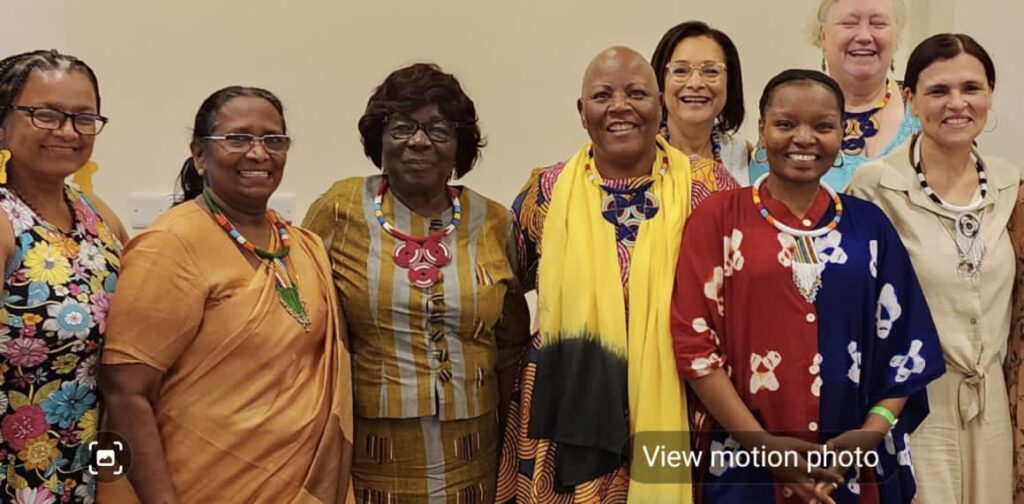
The National Consultative Meeting on Violence Against Women and Girls in Malawi was an important step in the country’s fight against gender-based violence (GBV). Despite Malawi’s warm and vibrant reputation, deeply ingrained cultural norms and socioeconomic disparities have contributed to an increase in violence against women and girls. The meeting brought together a diverse group of stakeholders, including government officials, civil society organizations, religious leaders, legal experts, and representatives from marginalized communities, in order to foster collaboration and a thorough understanding of the issue.
The objectives of the meeting were multifaceted, encompassing an exploration of root causes, a review of existing policies, the strengthening of support systems, and community engagement to raise awareness. Expert panels and survivor testimonials added depth to the discussions, humanizing the issue and emphasizing the urgency of finding effective solutions. Cultural sensitivity and inclusivity were central themes, recognizing the need to address the problem within the context of Malawi’s diverse cultural landscape.
The meeting produced tangible results, with a task force formed to review and amend existing GBV policies. To challenge harmful norms and promote gender equality, community-based programs such as awareness campaigns and educational initiatives were developed. Stakeholders agreed to invest in capacity building for law enforcement, healthcare professionals, and social workers, recognizing the critical importance of a sensitive and effective response to cases of gender-based violence. Efforts were also directed toward improving survivor support systems, such as the establishment of more shelters, counseling services, and helplines, with a focus on public-private partnerships for long-term funding.
While the meeting made significant progress, challenges such as cultural resistance to change and limited resources are still present. The success of the initiatives outlined at the meeting will be dependent on ongoing commitment and evaluation to adapt strategies to Malawi’s dynamic context. Nonetheless, the event demonstrates the country’s commitment to creating a more secure and equitable society. Malawi’s journey toward a violence-free future for women and girls serves as an inspiring model, encouraging other countries to address this global challenge with urgency, empathy, and determination.