
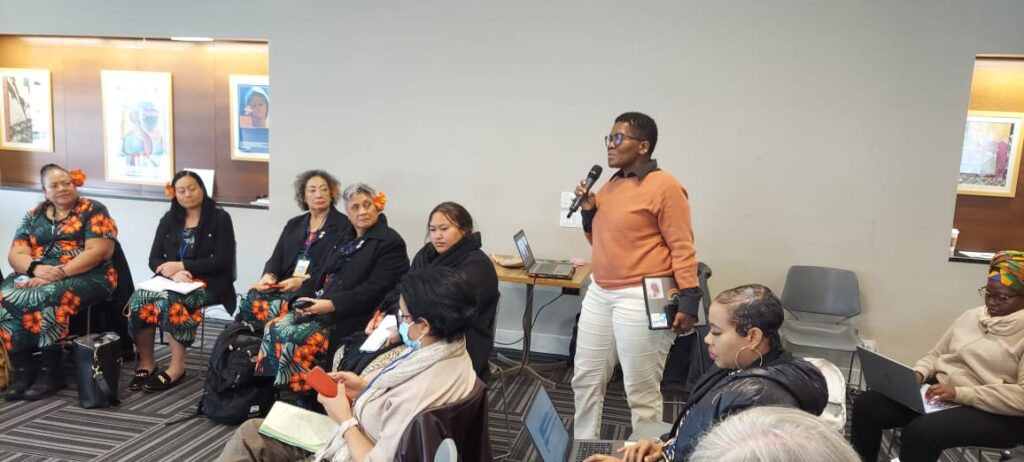
Sierra Leone, like many nations, grapples with the pervasive issue of violence against women and girls. In response to this critical concern, a National Consultative Meeting was convened to address and strategize ways to combat gender-based violence (GBV) and enhance the protection of women and girls across the country.
Sierra Leone has made significant progress in various sectors since the end of its civil war in 2002. However, the prevalence of violence against women and girls remains a formidable challenge, hindering the nation’s efforts to achieve sustainable development and gender equality. The National Consultative Meeting brought together stakeholders from government, civil society, academia, and international organizations to foster a collaborative approach in tackling this issue.
Some of the objectives of the meeting include; Assessment of Current Situation: The meeting aimed to provide a comprehensive understanding of the current landscape of violence against women and girls in Sierra Leone, including the root causes, patterns, and impact on individuals and communities; Policy Review and Development: Participants sought to evaluate existing policies addressing gender-based violence and explore opportunities for the development of new, more effective strategies to protect and empower women and girls; Stakeholder Collaboration: The meeting aimed to enhance collaboration and coordination among various stakeholders, including government agencies, non-governmental organizations, and international partners, to create a unified front against gender-based violence; and Community Engagement: Recognizing the importance of grassroots involvement, the meeting aimed to explore ways to engage local communities in the fight against violence, promoting a bottom-up approach to change.
Participants presented alarming statistics on the prevalence of violence against women and girls in Sierra Leone. Discussions highlighted various forms of violence, including domestic abuse, sexual assault, child marriage, and female genital mutilation. The meeting emphasized the need for a nuanced understanding of these issues to develop targeted interventions.
Delving into the root causes of gender-based violence, discussions underscored the intersectionality of factors such as cultural norms, economic disparities, and a lack of education. Addressing these root causes was identified as crucial for developing sustainable solutions.
Participants reviewed existing legal frameworks and mechanisms for addressing violence against women and girls. While acknowledging progress, gaps in implementation and enforcement were identified, leading to calls for strengthening the legal system to ensure justice for survivors.
The meeting emphasized the role of education in challenging stereotypes and promoting gender equality. Participants discussed the importance of integrating comprehensive sex education into school curricula and fostering a culture of respect and equality from an early age. Recognizing the immediate and long-term impact of violence on survivors, discussions centered on the need for accessible health services and psychosocial support. Adequate resources and training for healthcare professionals were identified as essential components of a holistic response.
Some recommendations and action plans include; Policy Reform: The meeting called for a comprehensive review and reform of existing policies related to gender-based violence. This includes the creation of legislation that specifically addresses emerging forms of violence and the improvement of mechanisms for reporting and prosecuting offenders; Capacity Building: Participants stressed the importance of capacity building for law enforcement, judicial officers, and healthcare professionals to ensure a more effective response to cases of violence against women and girls; Community Mobilization: Recognizing the significance of community involvement, the meeting recommended the development of community-led initiatives aimed at changing cultural norms that perpetuate violence. These initiatives should include awareness campaigns, dialogues, and the involvement of local leaders; Education Programs: The meeting advocated for the integration of comprehensive sex education into the national curriculum. This includes promoting awareness of healthy relationships, consent, and gender equality from primary education onward; Collaboration and Coordination: To optimize resources and expertise, the meeting underscored the importance of enhanced collaboration among government agencies, NGOs, and international partners. Regular coordination meetings and information-sharing mechanisms were proposed to ensure a unified approach.
The National Consultative Meeting on Violence Against Women and Girls in Sierra Leone served as a pivotal platform for addressing a deeply entrenched issue that hampers the nation’s progress. The insights and recommendations generated during the event provide a roadmap for stakeholders to collaboratively work towards eradicating gender-based violence and fostering an environment where women and girls can thrive. Implementation of the outlined recommendations, combined with ongoing commitment and vigilance, will be essential to effect lasting change and build a Sierra Leone where the rights and dignity of all citizens, regardless of gender, are safeguarded.