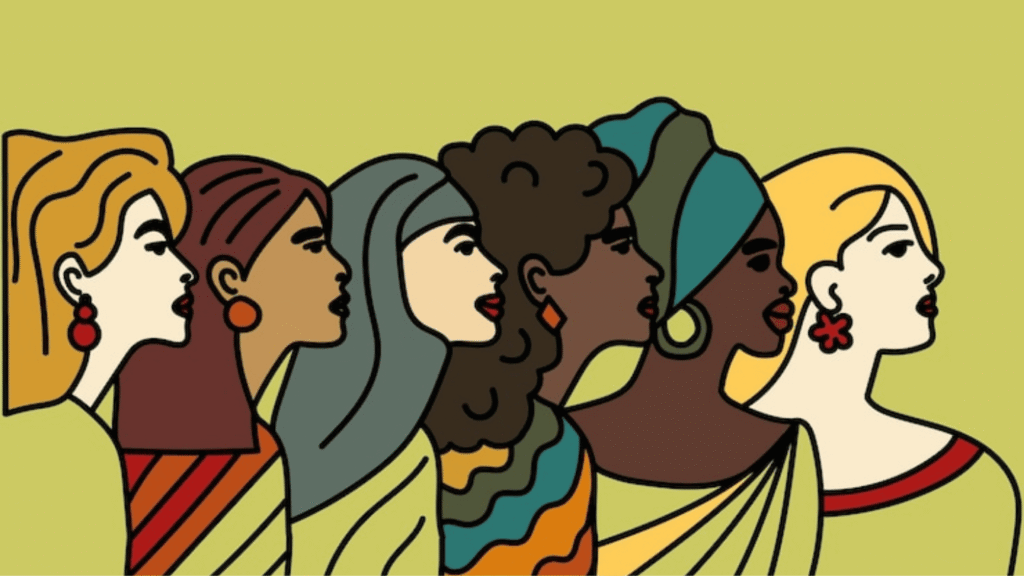
The INEVAWG position paper, When Being Different Becomes a Crime, examines the global rise of Anti-Homosexuality Acts (AHAs) and their profound human rights implications, particularly for LGBTQI persons in the Global South. The paper situates contemporary anti-homosexuality laws within a broader international human rights framework, noting that despite longstanding United Nations commitments to equality, non-discrimination, and dignity, many states continue to criminalize sexual orientation and gender identity.
Globally, the document highlights what it describes as a “homophobic pandemic.” Sixty-six jurisdictions criminalize consensual same-sex relations, with many laws rooted in colonial legal systems, particularly in Commonwealth countries. Forty-one countries criminalize sexual relations between women, while at least twelve retain the death penalty as a legal or applied punishment for same-sex conduct. Additionally, transgender people are criminalized in several countries through laws targeting gender expression, while many others face persecution under public order, vagrancy, or morality laws. Even in countries without explicit criminalization, hostile social, economic, and religious environments continue to enable violence and exclusion.
The paper argues that speaking out against AHAs is both necessary and urgent. It demonstrates that criminalization exacerbates stigma, legitimizes violence, and restricts access to basic rights and services. Drawing on lived experience documented by INEVAWG, the paper illustrates how homophobia leads to family rejection, homelessness, school expulsion, unemployment, mental health crises, and exposure to violence. These experiences underscore that criminalizing difference is not only a legal issue but a deeply social one, with long-term psychological and economic consequences.
INEVAWG frames anti-homosexuality laws as part of broader structural and patriarchal systems of control. The paper emphasizes that regulation of sexuality is central to hegemonic masculinity and heteronormativity, which function as tools of oppression within male-dominated social systems. Criminalization validates these systems by reinforcing norms that privilege heterosexuality and punish divergence, thereby sustaining gender and sexual inequality.
Using Uganda’s Anti-Homosexuality Act of 2023 as a central case study, the paper illustrates the far-reaching and harmful effects of AHAs. It highlights the law’s vague and contradictory provisions, which enable de facto criminalization of identity, association, and advocacy, despite claims that only same-sex acts are targeted. Provisions requiring citizens to report suspected homosexuality, criminalizing “promotion” of homosexuality, and punishing landlords, organizations, and advocates erode the rights to privacy, freedom of expression, association, and safety. The law has also fueled increased hate crimes, evictions, and the shrinking of civil society space, forcing activists and organizations into self-censorship.
In its conclusion, the paper rejects the notion that AHAs represent an irreversible trajectory. It points to examples where criminalization has been reversed and where protective frameworks for LGBTQI rights exist, such as in South Africa. INEVAWG affirms that international human rights law, feminist solidarity, and intersectional advocacy remain vital tools for resistance. The paper ultimately asserts that when difference becomes criminalized, feminist networks like INEVAWG have both a moral and political responsibility to speak out, challenge structural oppression, and defend the rights and dignity of all people.
